 NAAC A+
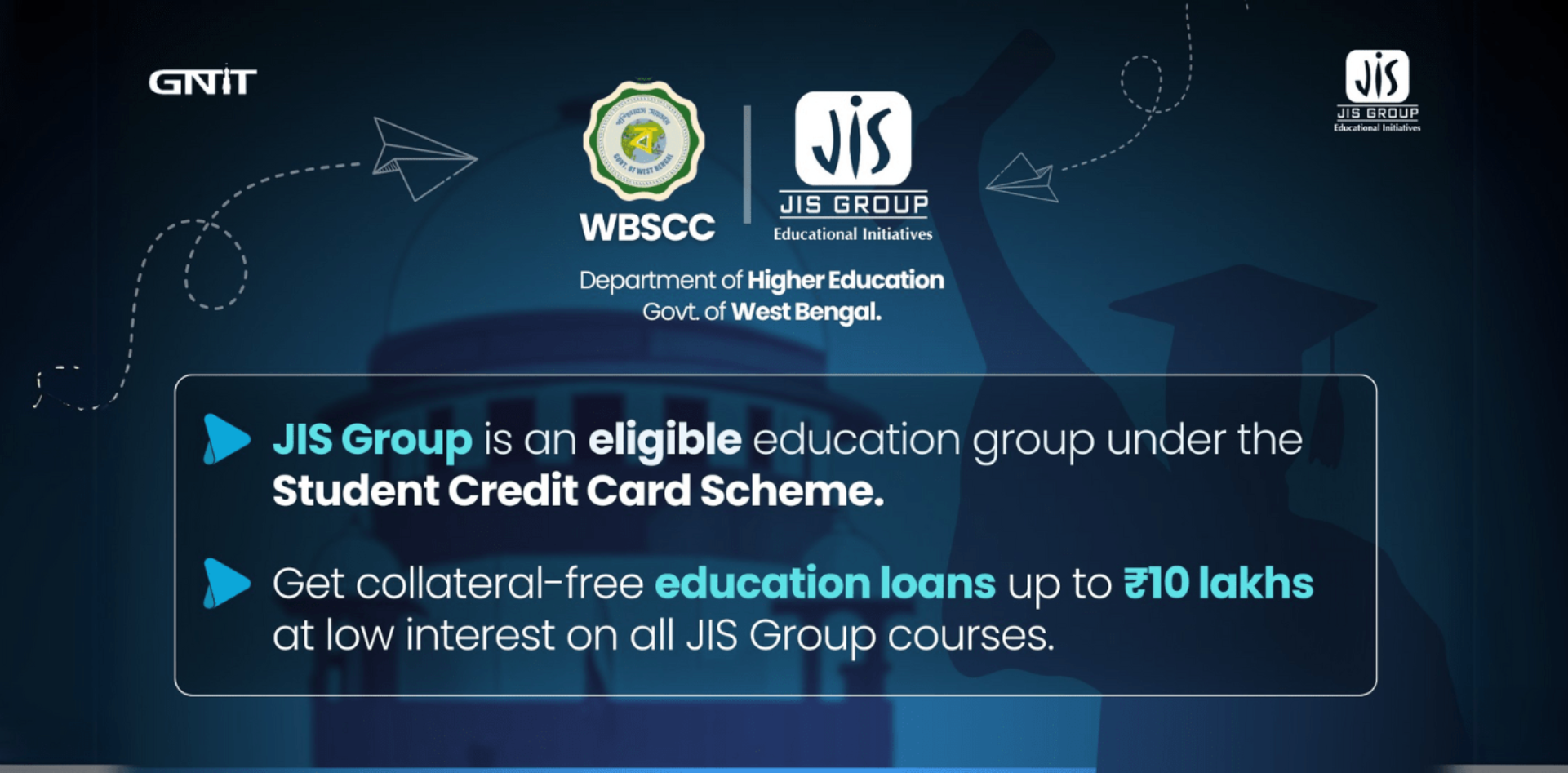
 JIS Group
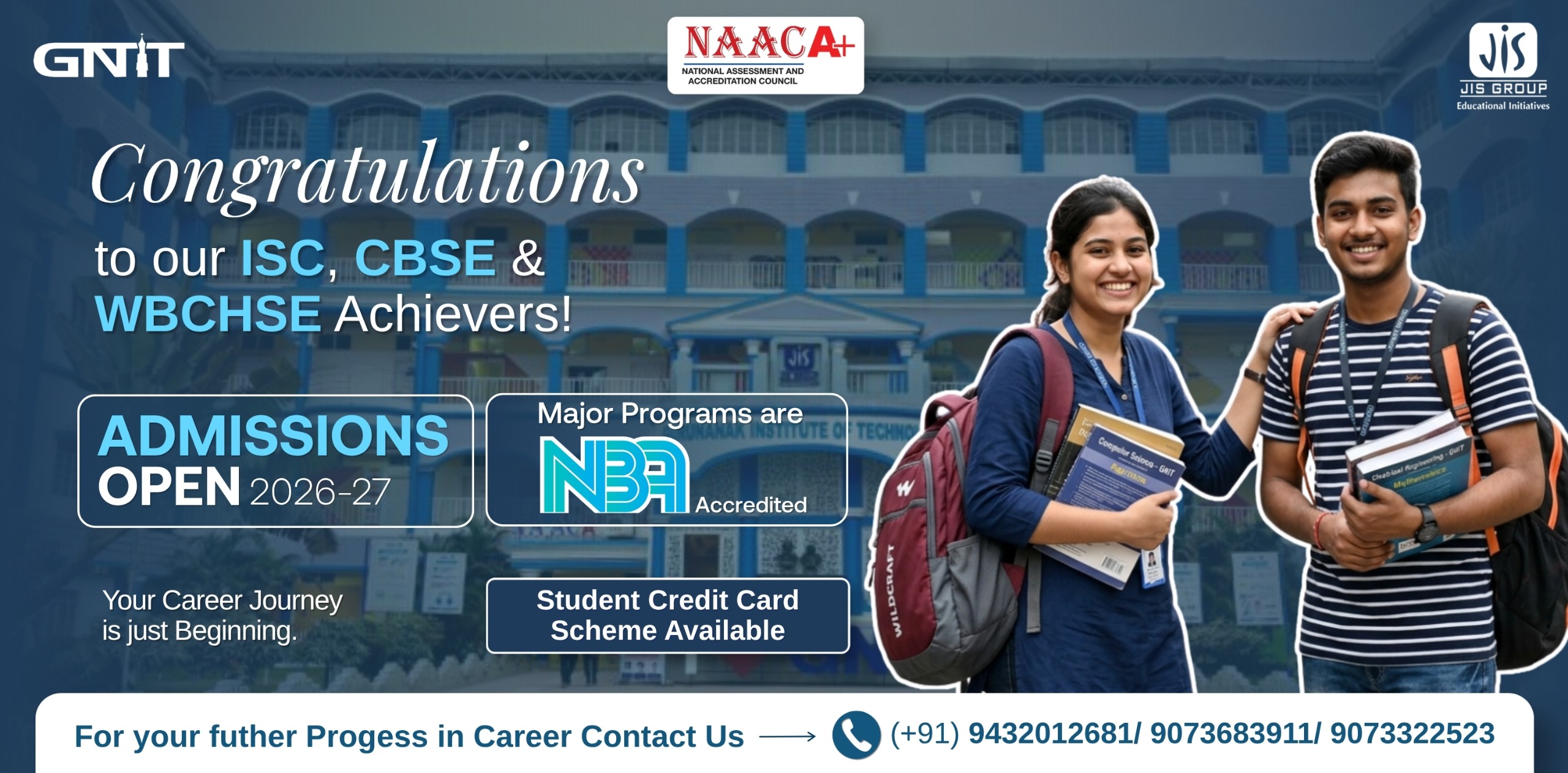
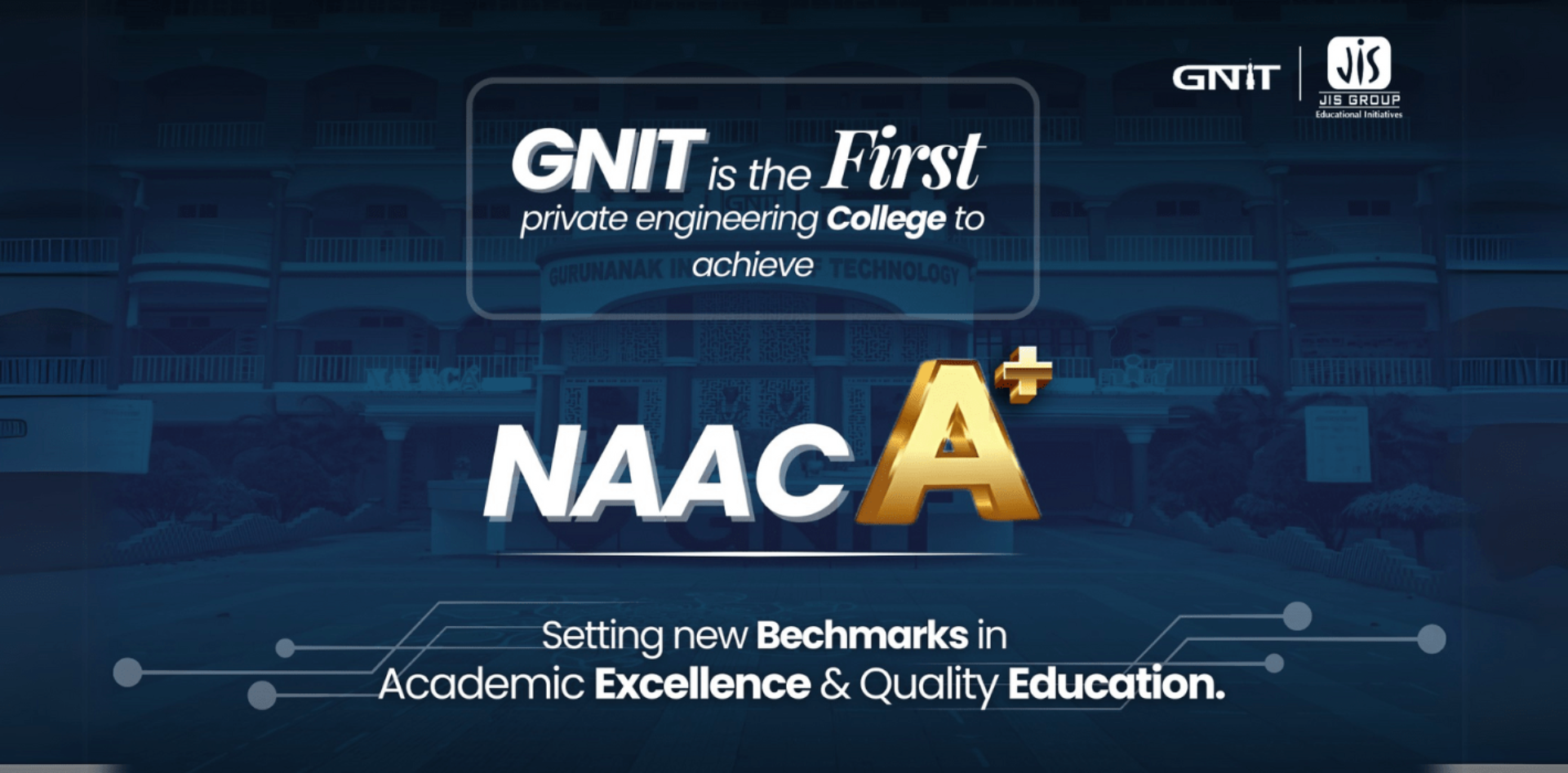
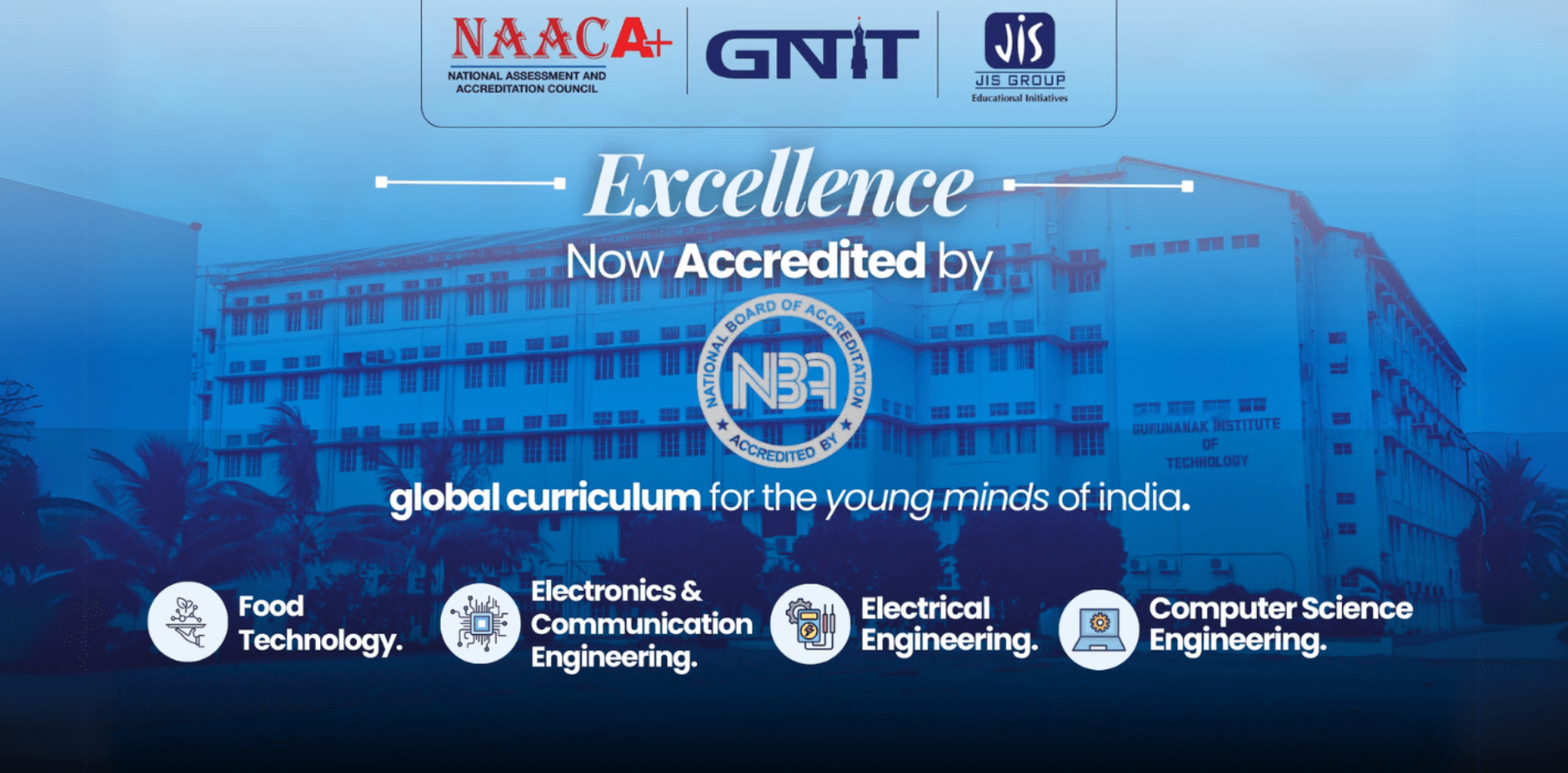
Guru Nanak Institute of Technology — Shaping engineers & innovators since 2003 under JIS Group. AICTE Approved | NBA Accredited | NIRF 201–250

Guru Nanak Institute of Technology (GNIT) is widely recognized as one of the top private engineering colleges in Kolkata, affiliated with MAKAUT, WB. Established in 2003 under the prestigious JIS Group Educational Initiatives, GNIT has emerged as a premier destination for technical education among the leading engineering colleges in Kolkata.
Approved by AICTE and accredited by UGC and NAAC, with several NBA-accredited programs, GNIT is located in a prime area of North Kolkata near Sodepur. The institute is committed to delivering quality education aligned with current industry demands and technological advancements.
As one of the best engineering colleges in Kolkata, GNIT offers a range of undergraduate and postgraduate programs in engineering and technology. With a strong focus on innovation, research, and industry readiness, it fosters a dynamic learning environment that encourages both students and faculty to excel.
For aspiring engineers looking at top engineering colleges in Kolkata, GNIT stands out for its modern infrastructure, technology-driven curriculum, and excellent placement support—making it one of the most sought-after private engineering colleges in Kolkata.
Fill in your details and we'll get back to you shortly.
Scan QR to Connect on WhatsApp or call 9432012681
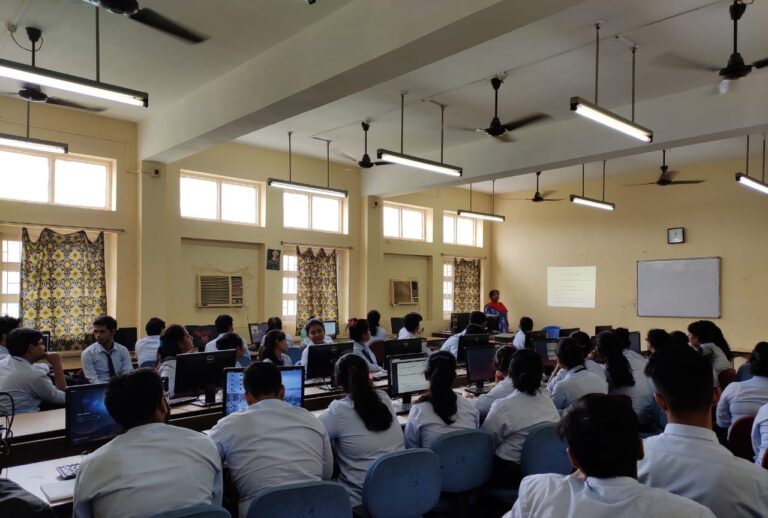
Your education doesn't stop at the classroom door. Student activities are a vital part of the GNIT experience complementing your studies and creating opportunities for friendship & self-discovery.
Read More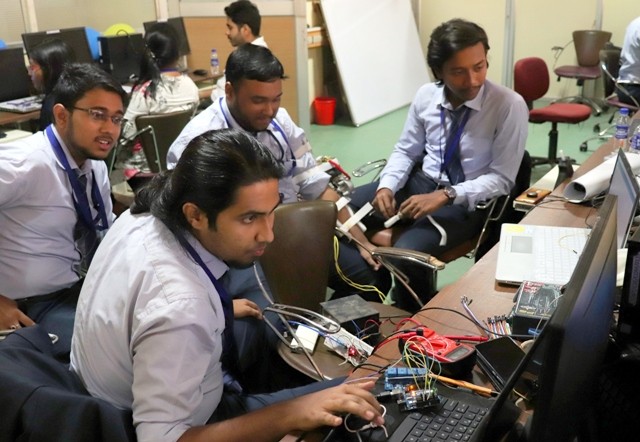
From Laboratory study to archival research to investigation in the field, GNIT students engage in world class research across all disciplines and make ground-breaking contributions to their fields.
Read More
Explore our 28,328+ m² green campus with modern labs, library, sports facilities, and a vibrant student community. A place you'll be proud to call your own.
ExploreWide range of undergraduate, diploma, and postgraduate programs designed for industry-readiness and innovation.
To ignite young minds with creativity and empowering lives and educate them to produce a galaxy of young professionals of outstanding ability who can become leaders in their profession and responsible citizens who can meet the challenges faced by the society.
From conferences to cultural events, hackathons to orientation — discover what makes GNIT special.
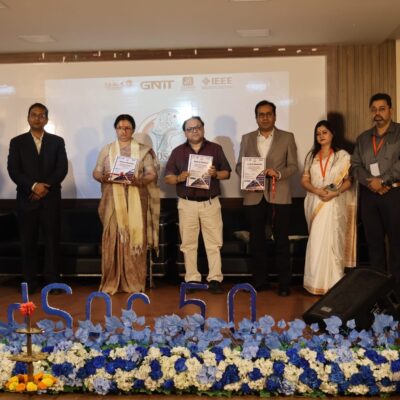
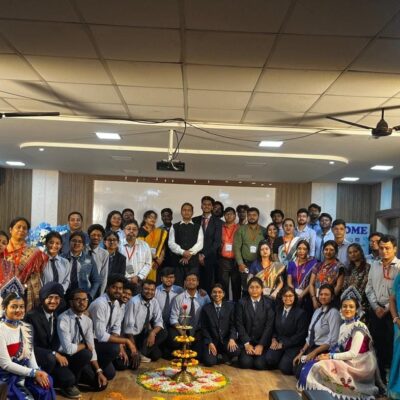
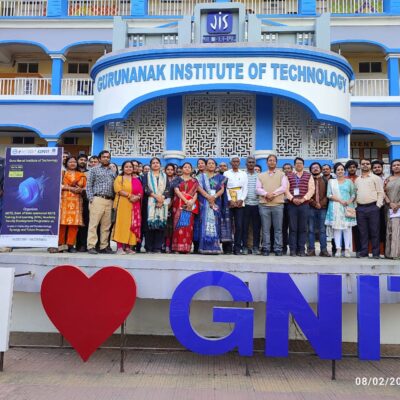
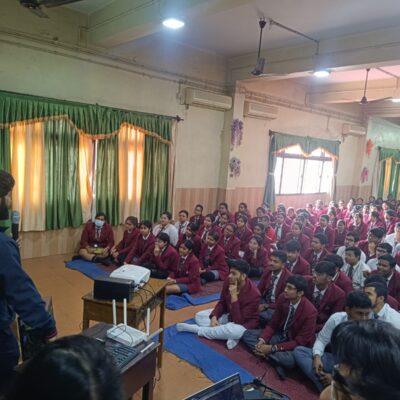
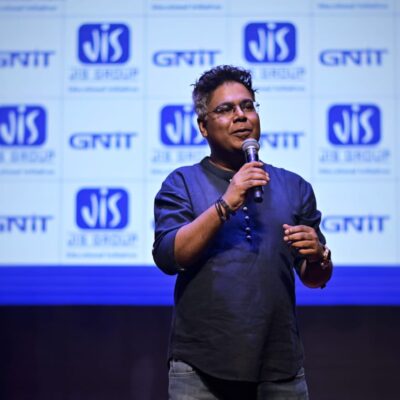
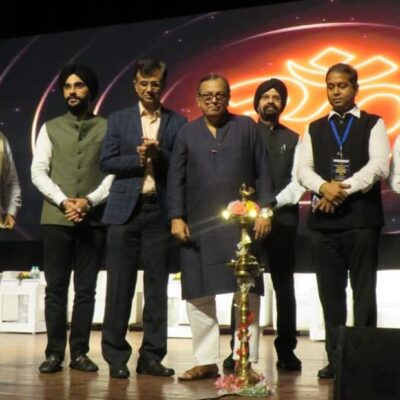
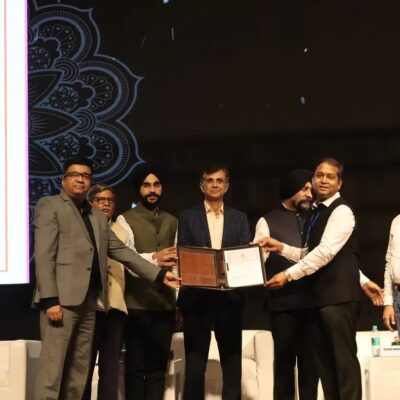
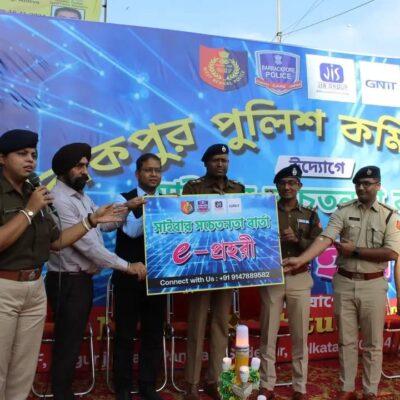
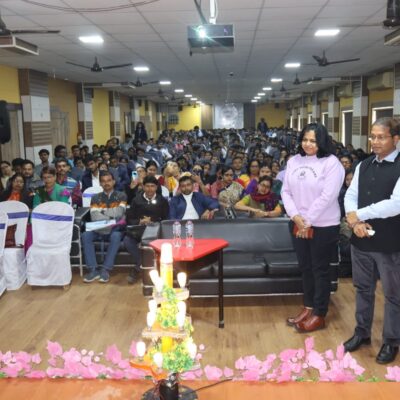
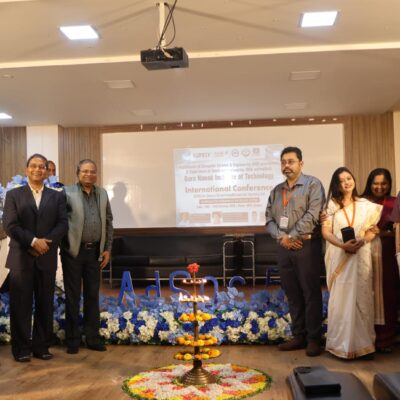
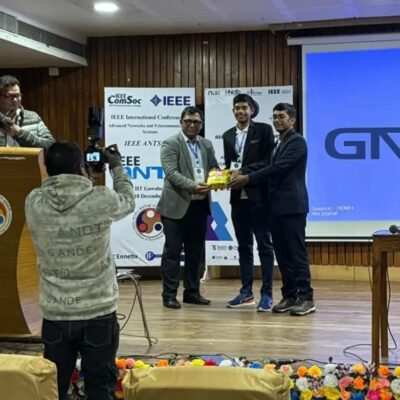
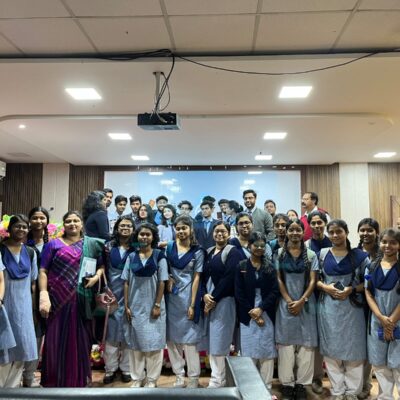
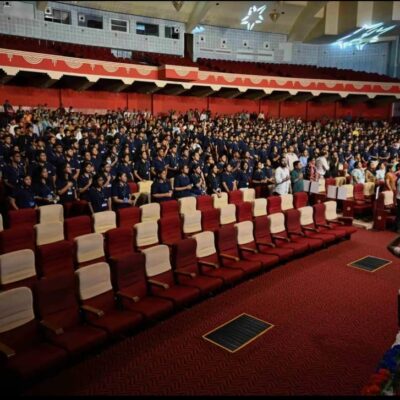
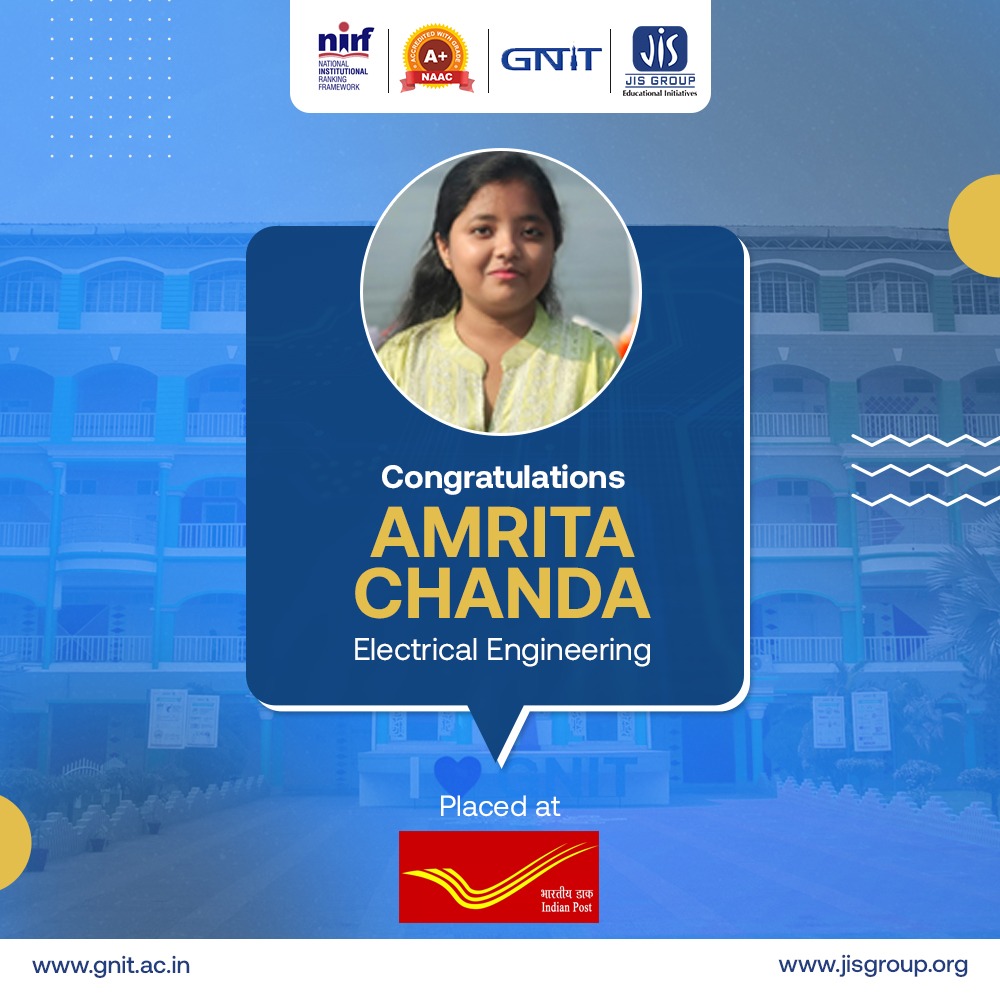
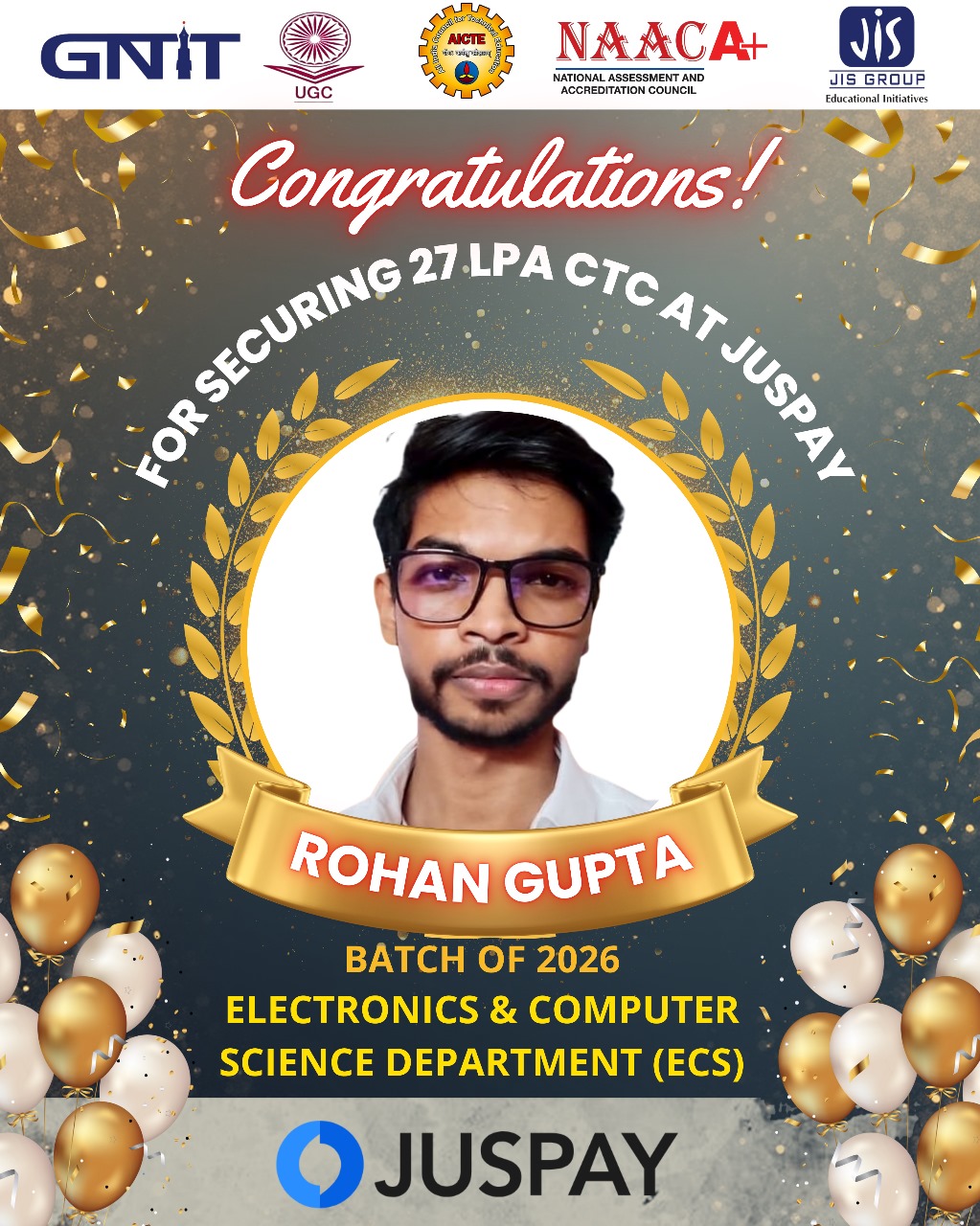
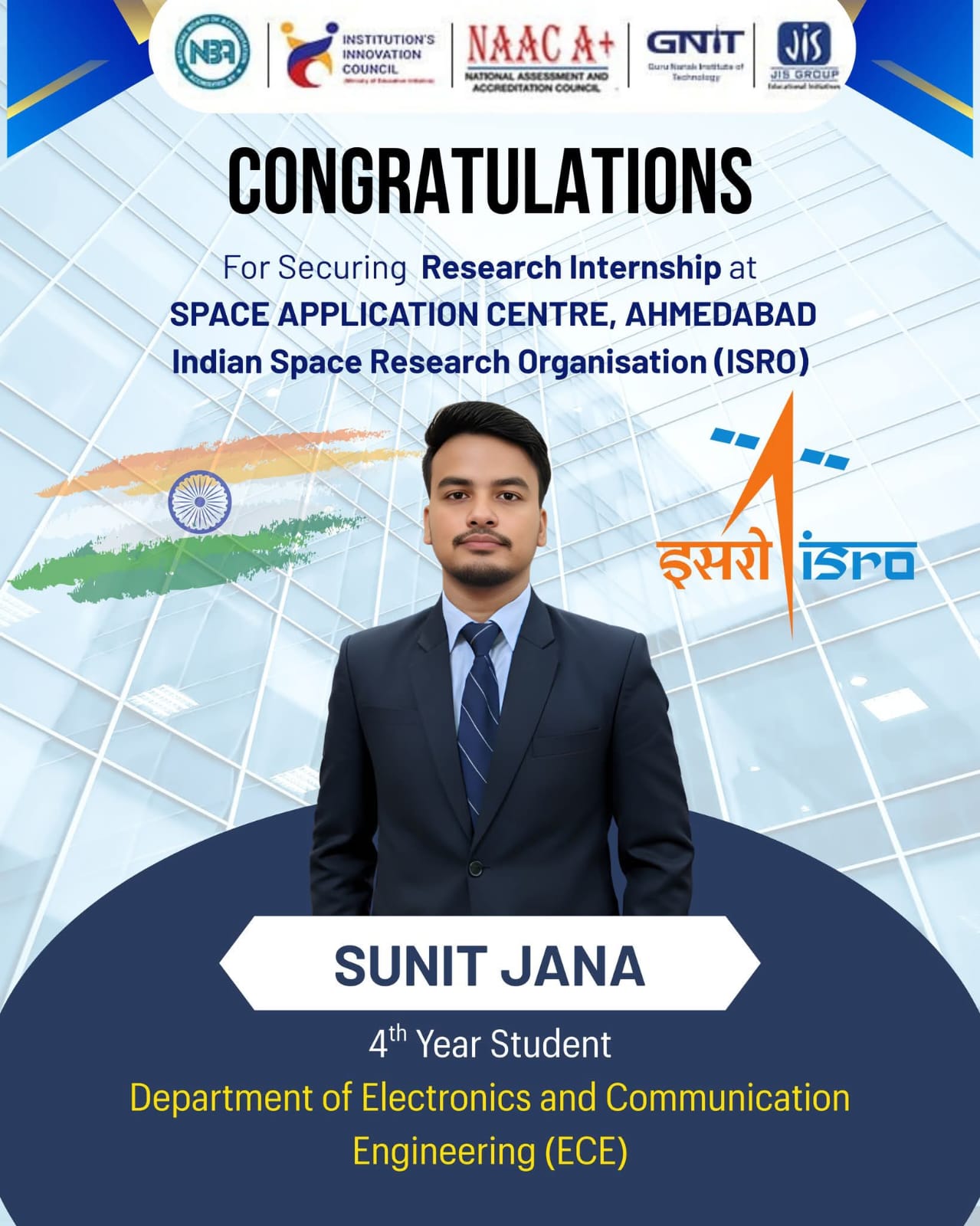
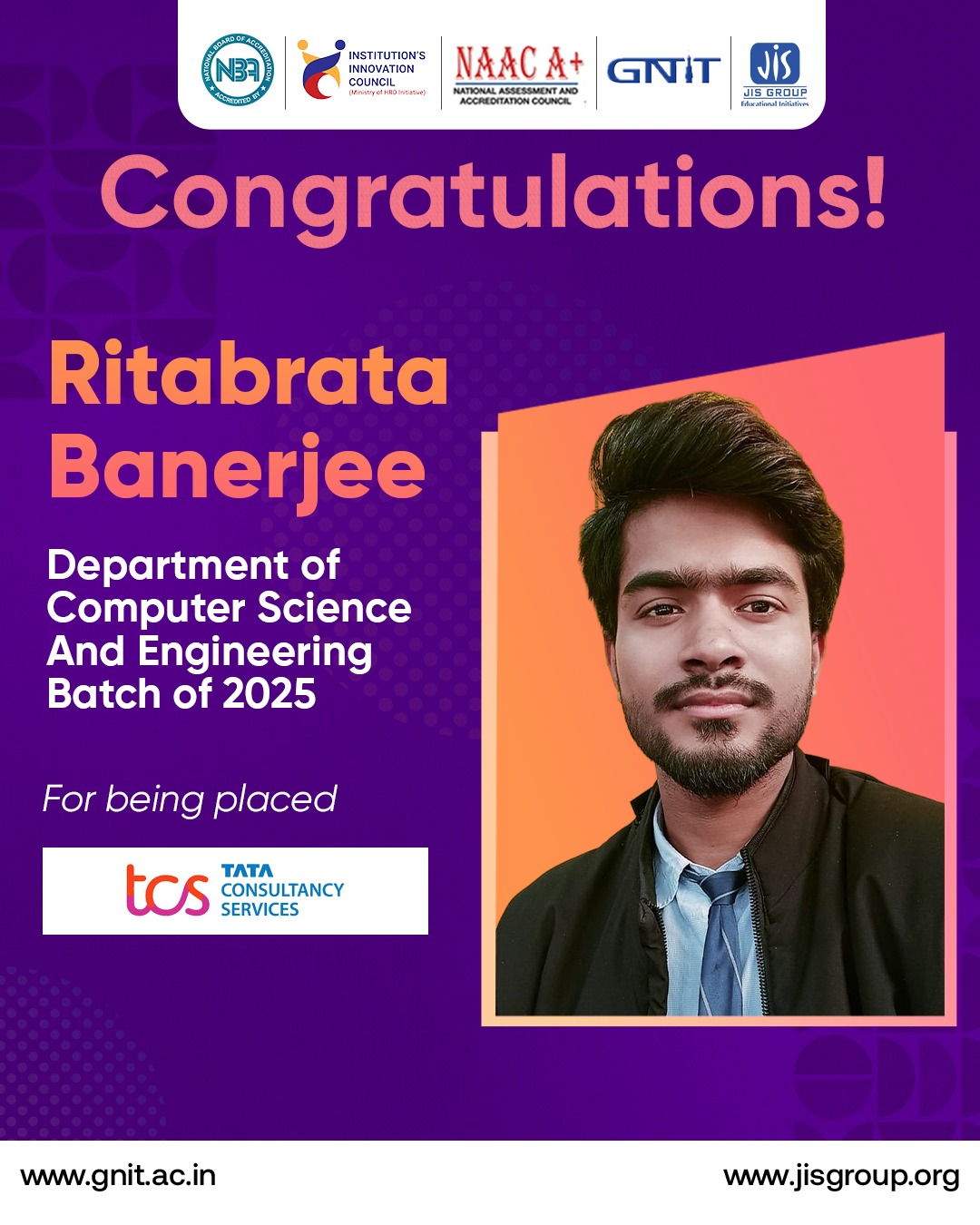
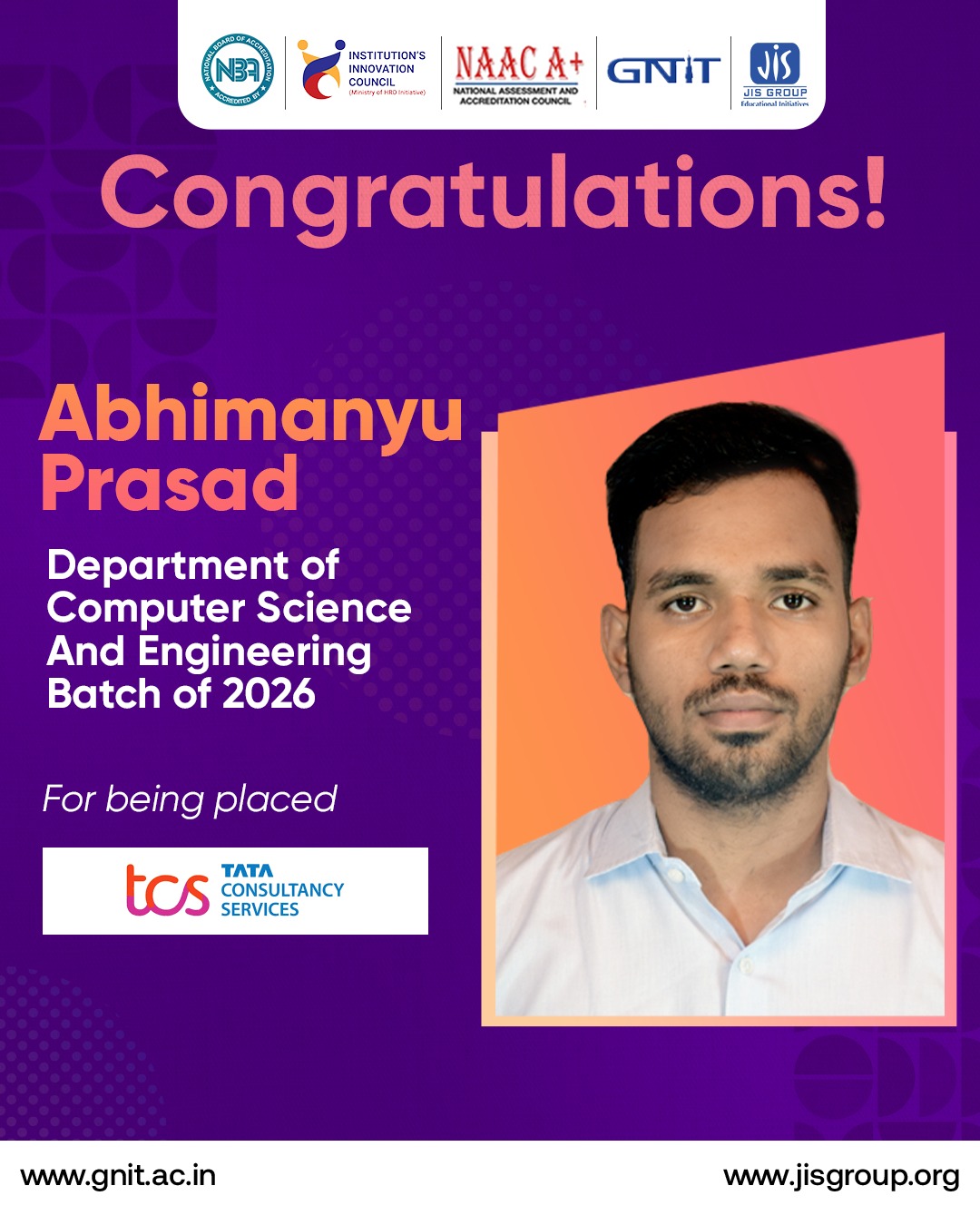
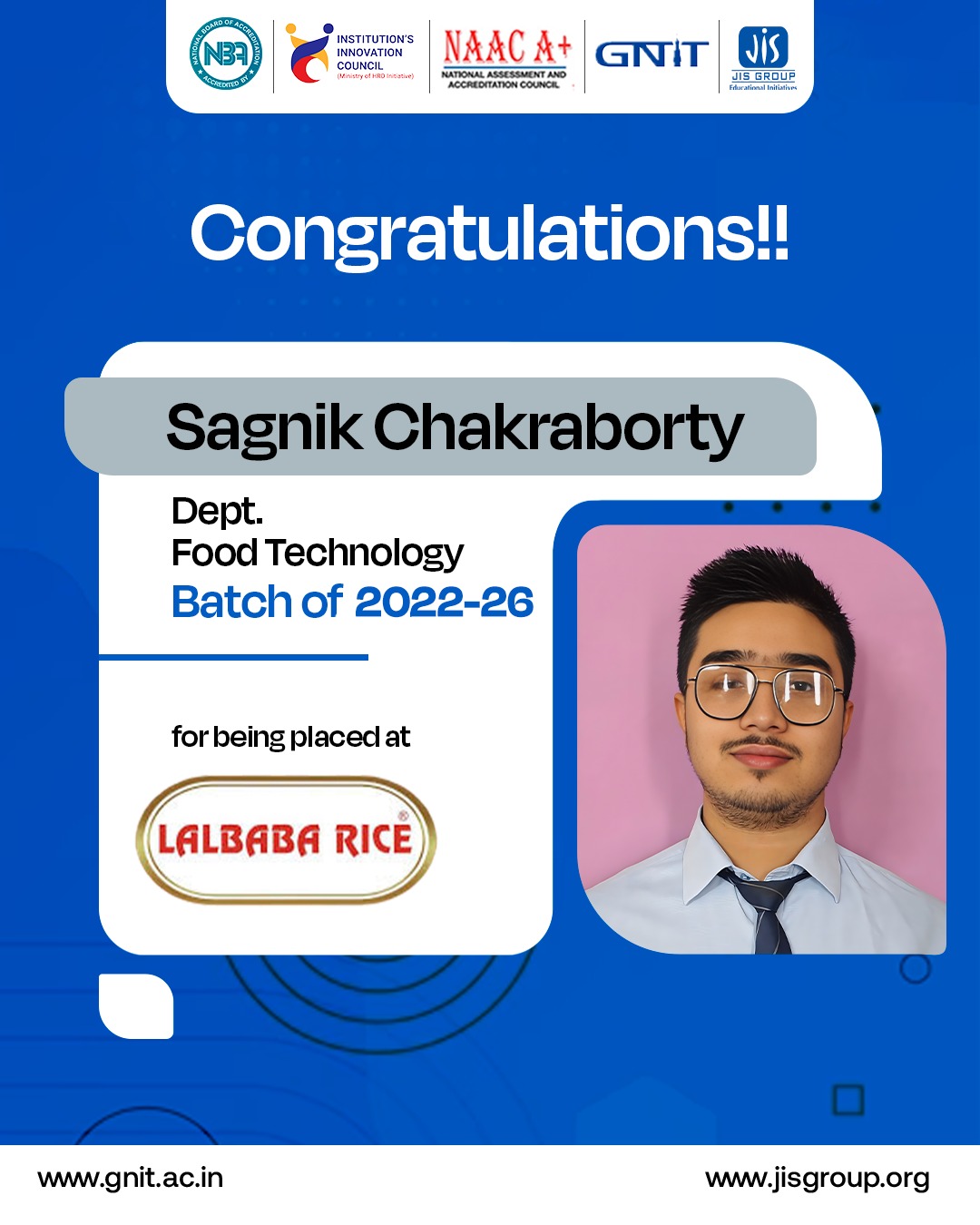
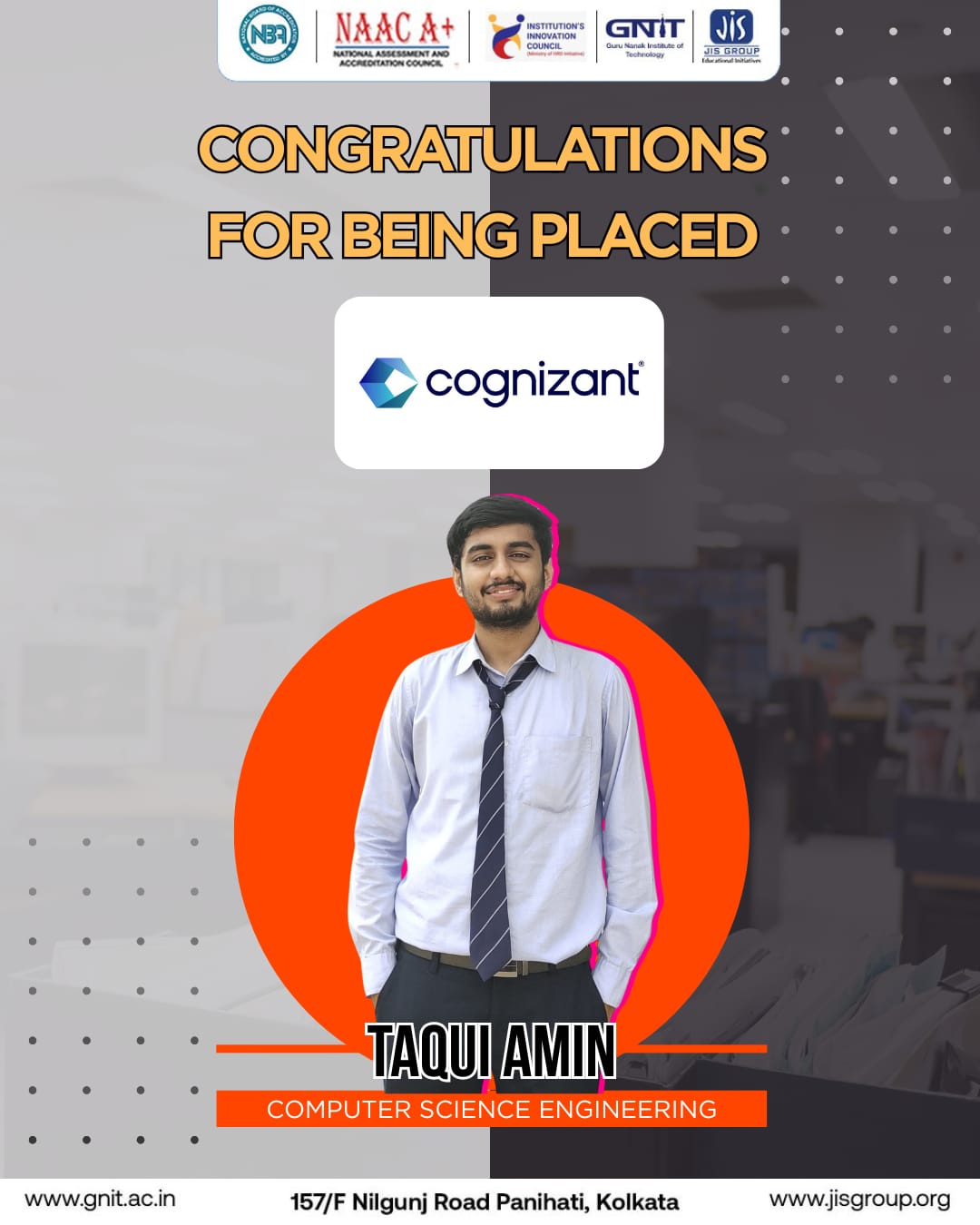
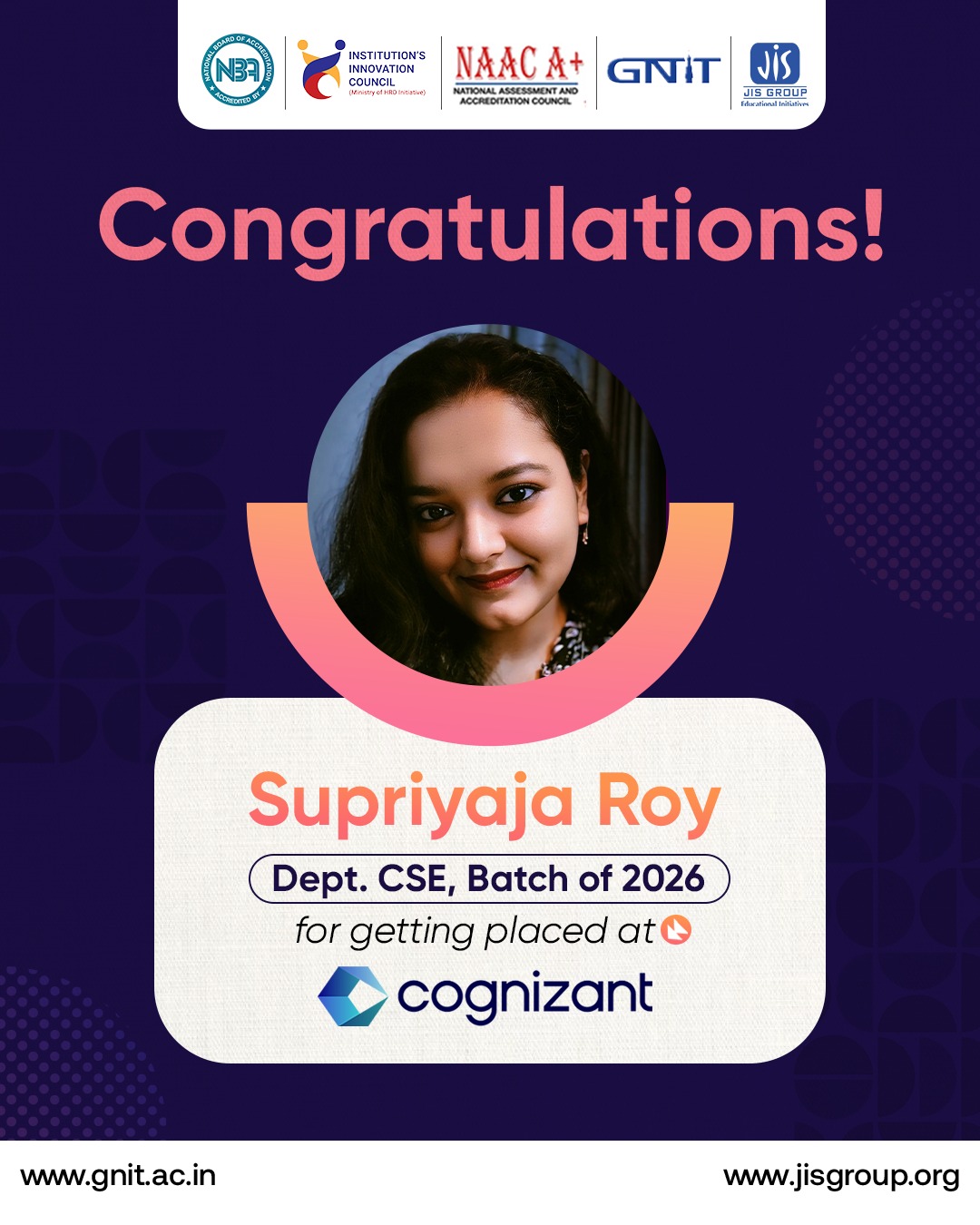
Every great success begins with a single step — see how our students turned their goals into achievements with placements at top companies across India and globally.
View All Placements



Choosing GNIT was one of the best decisions of my life. The faculty here are not just teachers, but mentors who guide you every step of the way. The practical exposure and industry interaction prepared me well for my career in tech.
 Sheikh Tanveer Hossain
Electrical Simulation and Analysis Engineer at BorgWarner, Kingsville, Texas, United States
Sheikh Tanveer Hossain
Electrical Simulation and Analysis Engineer at BorgWarner, Kingsville, Texas, United States
The campus life at GNIT is vibrant and full of energy. From technical fests to cultural events, there's always something happening that keeps students involved and motivated.
 SUTANU CHATTERJEE
R & D Engineer at Department of Physics and Engineering ITMO university, Saint Petersberg, Russia
SUTANU CHATTERJEE
R & D Engineer at Department of Physics and Engineering ITMO university, Saint Petersberg, Russia
The students and faculty here are incredibly friendly and supportive. Whether it's your first day or last semester, you'll always find someone ready to help. That sense of community is what makes GNIT feel like home.
 Ms. Anwesha Chowdhury
HR Manager, ITC Infotech
Ms. Anwesha Chowdhury
HR Manager, ITC Infotech
The college fests at GNIT are truly the highlight of every year. Our cultural fest brings the entire campus alive with music, dance, and pure energy. Those are the days you remember long after graduation.
 Mr. Riju Ghosh
Software Engineer, Google Cloud Security
Mr. Riju Ghosh
Software Engineer, Google Cloud Security
Making friends at GNIT was the easiest part of college life. The atmosphere is welcoming, and there's a genuine sense of bonding among students. From late-night project work to last-minute exam prep, we've done it all together.
 SATYAKI NAN
Assistant Professor of Computer Science at Georgia Southwestern State University
SATYAKI NAN
Assistant Professor of Computer Science at Georgia Southwestern State University
The campus is spacious, clean, and full of life. Whether you're looking for a peaceful study spot or a place to chill with friends, GNIT has it. The greenery and open spaces make it a pleasure to just walk around and unwind.
 Mr. Anik Karmakar
Joint Executive Officer, Department of Panchayats and Rural Development, Govt. of West Bengal
Mr. Anik Karmakar
Joint Executive Officer, Department of Panchayats and Rural Development, Govt. of West Bengal
Trusted by India's top companies — our students are placed across 48+ organisations.





















28,328+ m² campus with eco-friendly infrastructure, green spaces, and a commitment to sustainable living.

Have questions about admissions or programs? Reach out and our team will assist you.
Panihati, Sodepur, Kolkata — 700 114
West Bengal, India
Fill in your details and our team will reach out to you shortly.
Thank you! Our admissions team will contact you. Best wishes for your academic journey at GNIT.
Your details are safe with us. No spam, ever.