

The Future of Food Tech: AI, Nutrition Innovation & Sustainable Processing Trends
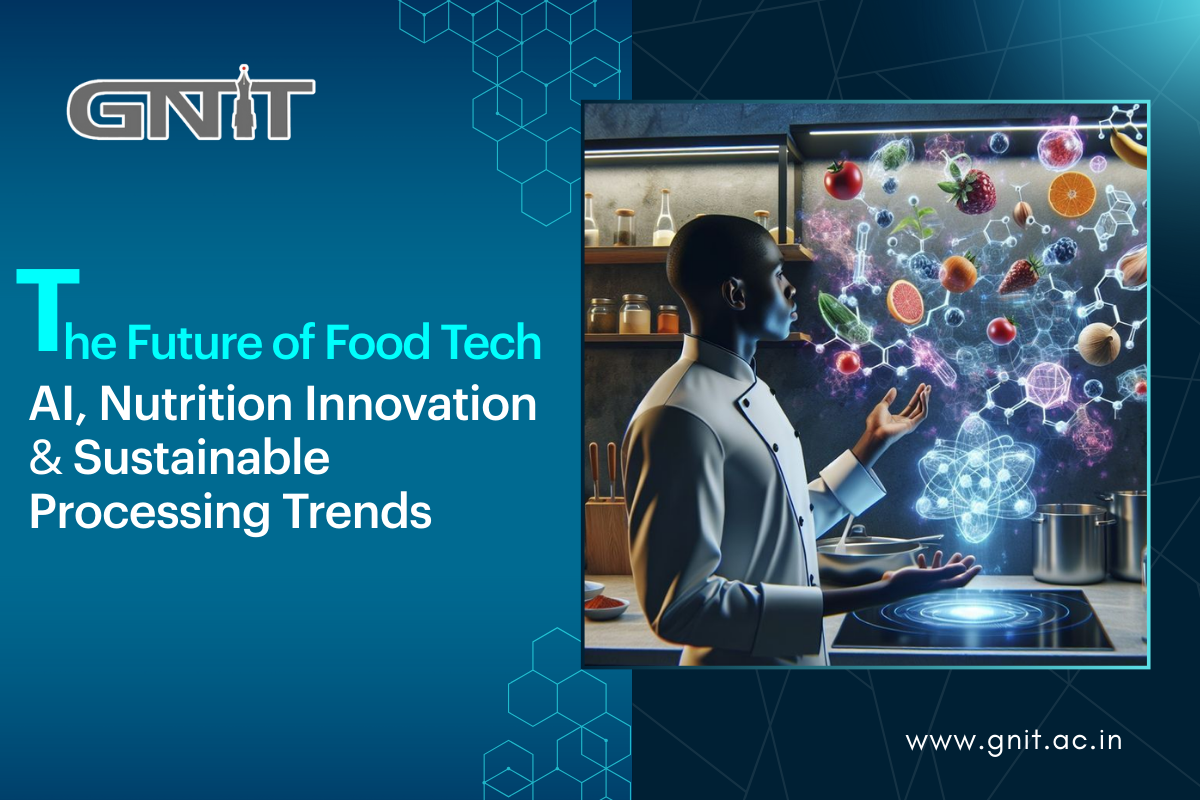
Imagine walking into a café where the menu is designed specifically for your body—your nutrient needs, allergies, fitness goals, and even your taste preferences. Your meal is prepared by a smart kitchen that tracks freshness, reduces wastage, and ensures perfect nutrition.
Sounds futuristic?
This isn’t science fiction anymore—it’s the new reality of Food Technology.
With the rise of AI-driven food systems, sustainable processing, personalised nutrition, and advanced food engineering, the industry is undergoing its biggest transformation ever. As India accelerates its growth in nutritional science, food engineering, and sustainable manufacturing, the demand for qualified professionals from food technology courses in Kolkata and other metro cities is booming.
Let’s explore how the future of food tech is being shaped—and how students can build a high-growth career in this exciting domain.
What Is Food Technology? (Simple Explanation)
Food Technology is the science of:
- Developing new food products
- Improving nutritional quality
- Using safe and efficient processing methods
- Ensuring long shelf life
- Innovating packaging, storage, and distribution
In simple terms, food technologists help ensure that the food we eat is safe, healthy, delicious, sustainable, and affordable.
With massive innovation happening globally, students interested in food tech engineering now enjoy career opportunities that didn’t exist even 10 years ago.
Why Is Food Technology Suddenly Booming? (Recent Stats)
Here are some key reasons:
- Global Food Tech Market expected to reach USD 342.5 billion by 2027 (Source: FoodTech Market Report, 2024).
- AI in Food Processing is growing at 45% CAGR.
- Demand for nutritionists and food scientists in India predicted to increase by 36% by 2030.
- Rising concerns over food safety, adulteration, and health awareness.
- Growth of startups in organic food, meal kits, plant-based protein, and sustainable packaging.
In short—food technology is no longer limited to labs. It is now a blend of science + engineering + AI + sustainability.
Top Future Trends Shaping the Food Technology Industry
Below are the most impactful innovations transforming the future of food.
1. Artificial Intelligence (AI) in Food Processing
AI is revolutionising the food industry at every stage:
Where AI is used in Food Tech:
- Quality control: Detecting defects in fruits, grains, and vegetables
- Predictive analysis: Forecasting demand to reduce waste
- Smart kitchens: Automated cooking and food safety monitoring
- AI-based nutrition plans: Personalised diets for diabetes, obesity, allergies
- Robot-assisted processing: Faster, cleaner, more accurate production
Example:
Nestlé uses AI to test thousands of flavour combinations to create better, healthier products faster.
2. Personalised Nutrition & Smart Diagnostics
The future of nutrition is personalised.
Using data from:
- DNA
- Gut microbiome
- Lifestyle patterns
- Wearable devices
Food companies now create tailor-made diet plans.
Case Study:
A Singapore-based startup uses a smart blood glucose monitor + AI to recommend real-time meals that reduce sugar spikes.
3. Sustainable & Clean-Label Processing
Consumers today want food that is:
- Natural
- Chemical-free
- Minimally processed
- Eco-friendly
Emerging sustainable technologies:
- Cold plasma processing
- High-pressure processing (HPP)
- Ultrasonic food preservation
- Recyclable and edible packaging
- Solar-powered drying systems
These methods retain nutrients, reduce waste, and minimise energy consumption.
4. Plant-Based Foods & Alternative Proteins
The demand for vegan and plant-based proteins is skyrocketing.
Examples:
- Almond, oats, and soy milk
- Plant-based meat
- Fermentation-derived egg protein
- Insect protein (highly sustainable)
This trend is creating new roles in food formulation, R&D, and sensory science—ideal for those studying food technology.
5. Smart Supply Chain & IoT
IoT (Internet of Things) devices can monitor:
- Storage temperature
- Shelf life
- Freshness
- Transportation safety
This helps prevent spoilage and improves food traceability.
6. 3D Food Printing
Yes—food can now be printed like paper!
Uses include:
- Creating designer chocolates
- Soft foods for patients
- Customised shapes for kids
- Restaurant innovation
3D food printing is the perfect blend of engineering + creativity.
7. Lab-Grown & Cultured Meat
Cultured meat is grown without harming animals.
Benefits:
- Ethical
- Environment-friendly
- Reduces greenhouse emissions
Countries like the USA, Japan, and Singapore have already approved lab-grown chicken and beef.
Career Scope in Food Technology (2025–2030)
Food technology is one of the fastest-growing career fields in India because it touches every industry—from agriculture to healthcare to retail.
Top Career Roles:
- Food Technologist
- Food Quality Analyst
- Nutrition Scientist
- R&D Specialist
- Food Production Engineer
- Packaging Technologist
- Sensory Analyst
- AI & Automation Specialist (Food Sector)
- Organic Food Auditor
- Food Safety Officer (FSO)
- Product Development Scientist
- Food Supply Chain Specialist
Average Salary in India (Freshers + Experienced)
Role | Freshers (Per Year) | Experienced (Per Year) |
Food Technologist | ₹3–4.5 LPA | ₹8–15 LPA |
Nutritionist | ₹2.5–4 LPA | ₹6–12 LPA |
Food Quality Analyst | ₹2.8–4 LPA | ₹7–10 LPA |
R&D Scientist | ₹4–6 LPA | ₹10–18 LPA |
Food Process Engineer | ₹3.5–5 LPA | ₹8–14 LPA |
Product Development Specialist | ₹3–6 LPA | ₹10–20 LPA |
Pros & Cons of Choosing a Career in Food Technology
Pros | Cons |
High demand in India & abroad | Requires strong science background |
Opportunity to work in top FMCG companies | Some roles require lab work |
Stable salary + growth | Need to stay updated with new technologies |
Multiple career paths (R&D, production, safety, nutrition) | Competitive in government sectors |
Chance to innovate and create future foods | Occasional fieldwork in industries |
Step-by-Step Guide: How to Start a Career in Food Technology
Step 1: Choose the Right Degree
Start with a B.Tech in Food Technology / Food Tech Engineering.
If you are in Kolkata, choose AICTE-approved food technology courses in Kolkata offered by reputed institutes.
Step 2: Learn Industry Skills
- Food safety
- HACCP
- Quality control
- Nutrition basics
- Food processing technology
- Packaging innovation
- Basic AI/automation in food systems
Step 3: Build Practical Experience
- Internships in FMCG companies
- Lab projects
- Quality testing training
- Food plant industry visits
Step 4: Earn Certifications
Short courses in:
- FSMS
- ISO 22000
- FSSAI regulations
- Food safety auditor training
Step 5: Apply to Startups or Big FMCG Brands
Top employers:
- Nestlé
- Amul
- ITC
- Britannia
- Mother Dairy
- Haldiram
- PepsiCo
Why Studying Food Technology in Kolkata Is a Great Choice
Kolkata is emerging as a hub for:
- Food research labs
- Food engineering colleges
- Agro-based industries
- Startups focused on nutrition and sustainability
Students who join food technology courses in Kolkata get access to internships, industrial exposure, and placements in top FMCG companies.
Many of the best engineering colleges in Kolkata now offer modern labs and industry-focused curriculums for food science students.
Top Skills Required in Future Food Tech Jobs
- Analytical thinking
- Product innovation and formulation
- AI and automation basics
- Food safety & quality
- Research skills
- Problem-solving
- Nutritional understanding
- Data interpretation
- Knowledge of sustainable processing
The Future of Food Technology – What Lies Ahead?
The next decade will bring:
- 100% automated food factories
- AI-powered nutrition coaches
- Zero-waste food systems
- Next-gen packaging that biodegrades in days
- DNA-based diet charts
- Protein derived from algae, insects, and mushrooms
- Hyper-personalised nutritious meals
Food Technology will be one of the most futuristic engineering domains, blending sustainability with innovation.
Frequently Asked Questions (FAQs)
1. Is Food Technology a good career?
Yes! It’s one of India’s fastest-growing careers with opportunities in FMCG, food research, quality testing, nutrition, and food engineering.
2. What subjects are needed for Food Technology?
Physics, Chemistry, Mathematics/Biology at the higher secondary level.
3. What is the eligibility for B.Tech Food Technology?
Students must pass 10+2 with PCM/PCB and qualify entrance exams like JEE, WBJEE, or institute-level tests.
4. Do food technologists get good salary packages?
Yes. Freshers start from ₹3–5 LPA, and experienced professionals can earn ₹10–20 LPA.
5. Is there demand for food technologists abroad?
Absolutely. Countries like Canada, Australia, Germany, and the UK have high demand in food processing, nutrition, and quality control.
Knowledge of food safety, nutrition, quality testing, analytical skills, and willingness to keep learning.
7. Which is better—Food Technology or Agriculture Engineering?
Both fields are great. Food Technology focuses on processing, nutrition, and safety, while agriculture engineering focuses on farming systems and agri-machines.
Final Thoughts: Your Future in Food Tech Starts Today
Food Technology is no longer just about preserving food—it’s about creating the future of nutrition, sustainability, and innovation. With AI, robotics, personalised nutrition, and eco-friendly processing, the next decade will redefine how the world eats.
If you’re a student passionate about science, health, innovation, or sustainability, choosing food technology courses in Kolkata from one of the best engineering colleges in Kolkata can open doors to a powerful, future-ready career.