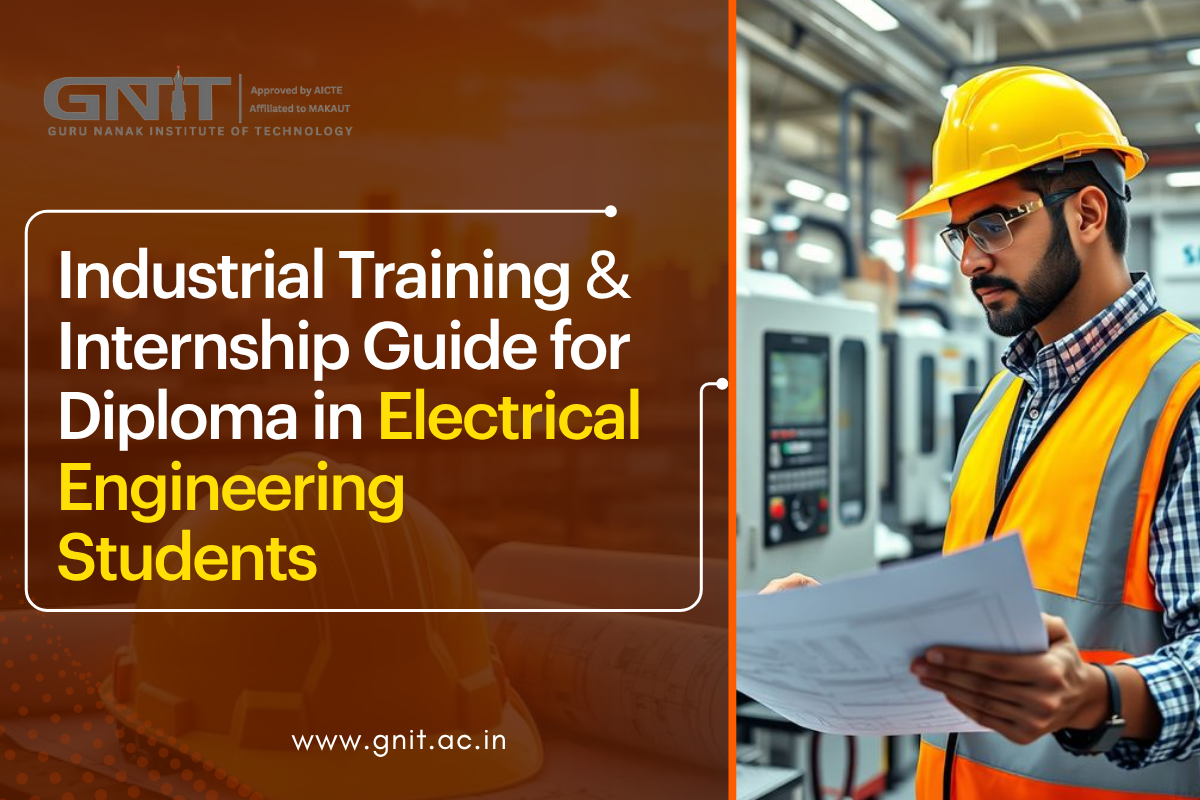
In today’s fast-paced industrial era, Electrical Engineering stands as a vital pillar powering sectors from home appliances to smart grids and electric vehicles. For students passionate about technology but not yet ready to pursue a full-fledged degree, a Diploma in Electrical Engineering is one of the most practical and promising pathways. This 3-year program ensures that students master core concepts while gaining industry-ready technical skills — especially when supplemented with structured industrial training and internships.
Why Diploma in Electrical Engineering?
A diploma in electrical engineering is tailored to bridge education with real-world application. Students learn essential theories of electrical systems, power transmission, control systems, and more — but what makes it exceptional is the heavy emphasis on practical training. The curriculum is designed to align with evolving industrial demands, ensuring students who graduate are job-ready.
This course can be especially relevant if you’re planning to study in West Bengal — where institutions like Guru Nanak Institute of Technology, one of the top engineering colleges in Kolkata, offer excellent diploma programs that are AICTE-approved and known for their industry connections and modern labs.
Importance of Industrial Training and Internship
Industrial training and internships are crucial for diploma students, especially in the final year. These opportunities expose students to real working environments, instilling confidence and practical knowledge that cannot be replicated in a classroom.
Here’s why industrial exposure matters:
- Hands-on Experience: Students work on actual machines, processes, and control systems.
- Skill Development: Exposure helps build competencies like fault diagnosis, circuit design, and equipment handling.
- Industry Standards: Understanding safety norms, quality control, and SOPs improves employability.
- Networking: Interactions with engineers and supervisors create job and learning prospects.
Students completing their polytechnic degree in electrical engineering should take their internship periods seriously, as many companies use internships to screen candidates for full-time jobs.
Types of Internships for Diploma Electrical Engineering Students
Depending on your interests and career aspirations, you can choose internships in areas like:
- Power Plants: Gain experience in power generation, transformers, and electrical distribution.
- Manufacturing Units: Work on machine maintenance, process control systems, and energy management.
- Automation Companies: Get trained in PLC/SCADA systems, robotics, and digital control panels.
- Renewable Energy Firms: Participate in solar, wind or hybrid energy project installations and maintenance.
- Electrical Contractors: Understand wiring, site supervision, and electrical system layouts for commercial infrastructure.
How to Choose the Right Internship
When selecting firms for industrial training, prioritize the following factors:
- Reputation of the company
- Hands-on learning over observation-based roles
- Exposure to modern technologies
- Certification or letter of experience upon completion
- Alignment with your career goals
Tip: If you’re studying in Kolkata, connect with industries nearby such as engineering firms in Salt Lake Sector V, tech parks, or power stations in the adjoining regions. You can also seek assistance from placement cells of reputed institutions like Guru Nanak Institute of Technology.
Benefits of Studying at Guru Nanak Institute of Technology
Guru Nanak Institute of Technology (GNIT), Kolkata, is one of the prominent institutions offering a Diploma in Electrical Engineering with a strong focus on practical exposure and industrial training. The institute also offers MCA (Masters of Computer Application) and other professional programs — making it a multidisciplinary hub for technology education.
Key highlights of GNIT:
- State-of-the-art labs and industry-grade equipment
- Strong industry collaborations for internships and placement
- Emphasis on skill development and career readiness
- Accessible location with excellent academic support
Whether you’re curious about automating smart systems or supervising electrical installations, GNIT ensures you get hands-on training and proper career guidance.
Final Tips for Internship Success
- Start early: Explore opportunities before your final semester begins.
- Stay curious and ask questions: Learn from senior engineers and supervisors.
- Document your work: Note down tasks and learnings — this will come handy during interviews.
- Take certifications: Courses in AutoCAD, PLC/SCADA, or solar technology add value.
Conclusion
Industrial training is not just a part of the curriculum; it’s the bridge to your professional journey. A well-planned internship during your Diploma in Electrical Engineering in Kolkata ensures you’re not just qualified — but employable. With the right guidance from a top institution like Guru Nanak Institute of Technology, supported by practical exposure, certifications, and the opportunity to pursue further education like MCA, your technical career can take off with confidence.